

There’s a quiet appeal to poker app offline play when the local tables are packed and the arvo heat has everyone drifting toward the pokies instead. I’ve spent two decades modelling hold’em variants and skill-gaming loops, and the maths tells a plain story: a downloaded client that runs without a live connection can suit a disciplined session, but only if the welcome offer behind it is honest about wagering and contribution. Before you tap install, it pays to read the promo terms the way you’d read a paytable.
Where Offline Play Fits in a Real Session
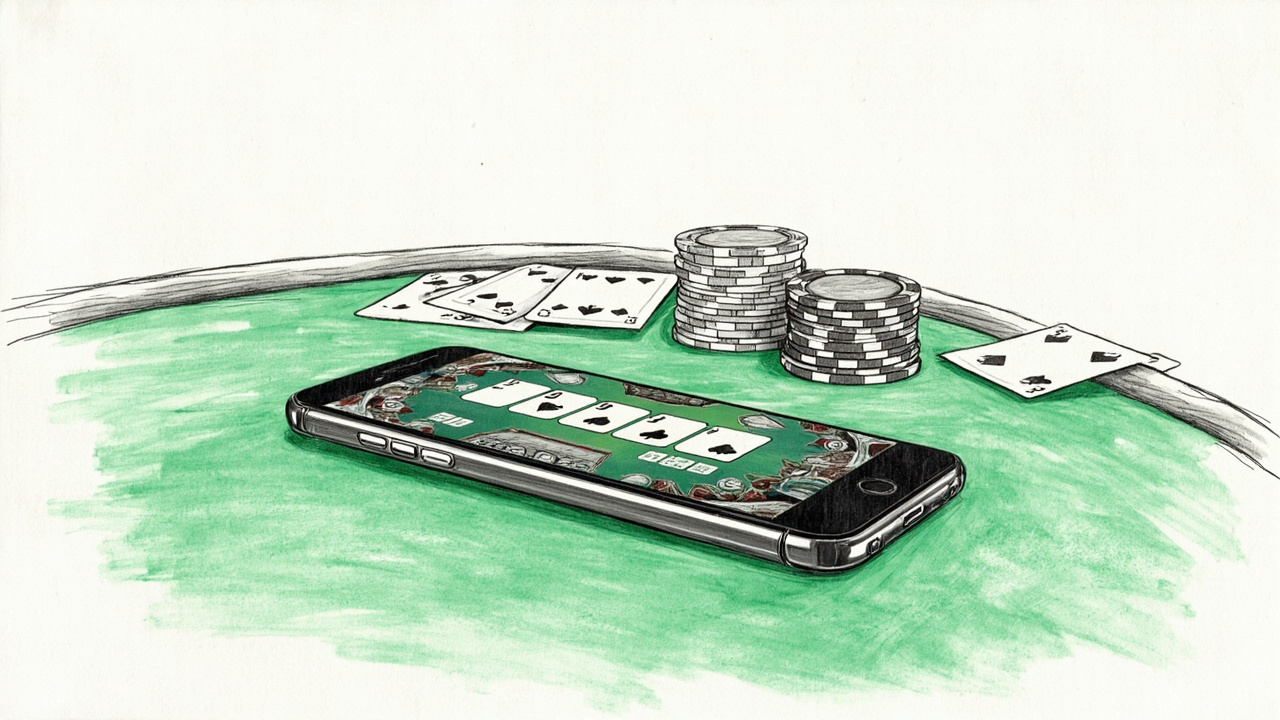
Offline poker apps aren’t magic – they’re a different rhythm. You load the client, pick a stake range, and play hands without a server ticking every second, which suits a quiet flat in Melbourne when the broadband is dodgy or you’d rather not be watching a lobby fill and empty. From a design perspective, the trade-off is obvious: you gain session stability but lose the live table dynamics that make ring games feel alive. I’ve built skill-gaming prototypes where the offline mode acts as a practice sandbox, and the numbers back that up – hand frequency stays steady, but the absence of real opponents changes your read game completely. If you’re using it to warm up before a live session, treat it like a drilling tool rather than a substitute.
That same offline mindset carries over when you want to step away from the tables and try something with a similar low-friction cadence, and you’ll often find players pointing to thepokies 105 net login thepokies 105 net login as a straightforward way to keep the session rolling without fuss. It’s less about chasing a live feed and more about settling into a pace that matches your evening, whether you’re kicking back with a cold one or just letting the hands run while the kettle boils.
How the Welcome Bonus Actually Shapes Your Start
Most poker app offline play offers look generous until you unpack the wagering requirement. A typical structure might give you a match bonus on your first deposit, but the real test is the contribution rate – table games and poker hands usually count for less than the slots side of the house, and that matters when you’re trying to clear the bonus without grinding yourself dry. I’ve seen promo engines where the wagering clock starts the moment you accept, not when you’ve actually played through the qualifying hands, so the fine print on timing is worth reading before you deposit. Eligibility often includes a geo check and age verification, and the recurring promos that follow the first week usually come with lower caps and tighter game restrictions.
| Detail | Typical Setup |
|---|---|
| Bonus type | First-deposit match with separate wagering |
| Contribution | Poker hands count lower than slots |
| Currency | AUD, with local payment routes |
| Mobile | Downloadable client plus browser option |
| Support | In-app help plus email during local hours |
Payment Routes, Limits and What They Mean for You
Payment speed and limit clarity separate a usable app from a frustrating one. A sensible setup offers AUD-denominated accounts, a few local deposit paths, and withdrawal windows that don’t pretend to be instant when they’re not. I’ve modelled payout flows for years, and the pattern is consistent: the cleaner the currency handling, the fewer surprises when you’re converting a cleared bonus into a withdrawable balance. Limits matter just as much – daily and weekly caps on deposits and withdrawals aren’t there to annoy you, they’re there to keep the account behaviour predictable. If the app lets you move money around without a clear ceiling, that’s a design choice worth noting before you commit.
What the Experts See in the Offline Market
A couple of industry voices have flagged where offline poker apps are heading, and their read is worth weighing. Ava Cooper, Senior Market Analyst, Southern Star Esports, has pointed out that offline modes tend to hold their value when they’re positioned as practice and session tools rather than as a replacement for live tables. Hannah Roberts, Marketing Director, Kangaroo Point Analytics, has noted that the promo structures around these apps often underperform once players realise the contribution rates tilt heavily toward one game type. Callum Green, Managing Partner, Federation Betting Insights, has cautioned that the real differentiator is transparency – apps that spell out wagering, limits and contribution up front tend to keep players longer than those relying on a big headline number.
Reading the Promo Terms Like a Designer Reads a Paytable
The best way to judge a welcome offer is to treat it like a paytable: every line matters, and the hidden ones cost you. Look for the wagering multiple, the game contribution percentages, the max bet allowed while a bonus is active, and the time limit on clearing it. I’ve designed skill-gaming loops where the bonus mechanics are deliberately front-loaded, and the lesson holds here – if the terms are vague on contribution or silent on max bet, assume the house edge is doing the talking. Recurring promos can be useful, but they usually come with smaller caps and tighter eligibility, so plan your session around what you can actually clear rather than what looks flashy on the landing page.

There’s no shortcut around reading the terms, and offline play doesn’t change that – it just gives you a steadier environment to work through the maths. If the bonus is honest about wagering, contribution and limits, the app can be a useful tool for a disciplined session; if it isn’t, the offline mode won’t save you from the fine print. Play within your limits, keep the stakes sensible, and treat the promo as a condition to manage, not a prize to chase.
